
Drilling training simulation refers to the use of advanced computer-based technologies to recreate a virtual drilling environment. This innovative approach allows trainees to practice various aspects of drilling operations within a safe and controlled setting. As an outsider looking in, it is fascinating to see how such simulations can contribute to skill development, safety enhancement, and overall operational efficiency in the oil and gas industry.
Background and Necessity
The oil and gas industry relies heavily on drilling engineering, which is essential for extracting resources from beneath the earth's surface. However, the high costs of drilling equipment and the hazardous conditions at drilling sites pose significant challenges. Unauthorized access to these sites is typically restricted, further complicating hands-on training opportunities. Mistakes made during actual operations can result in severe financial losses and safety hazards. This is where Drilling Training Simulation steps in as a viable solution.
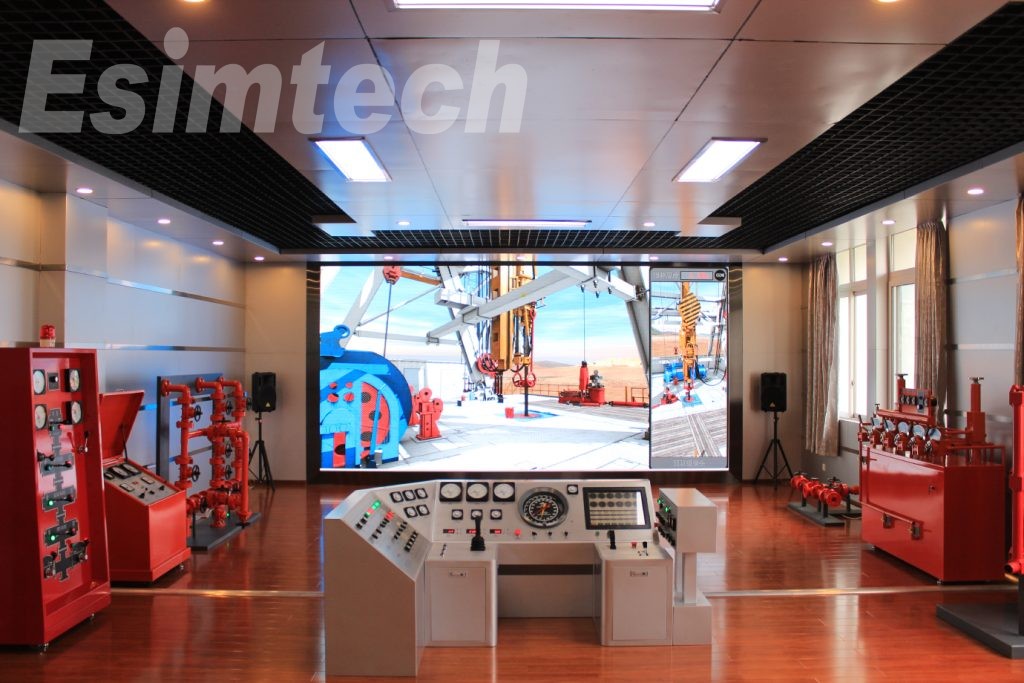
Functional Features of Drilling Training Simulators
Drilling training simulators are equipped with numerous functional features that facilitate effective learning:
- Replication of Drilling Equipment and Operations: Simulators accurately model various drilling tools and replicate their mechanics during operations. Trainees can practice major rig operations, including vertical and directional drilling.
- Well Control Training: Various well control scenarios can be simulated, allowing trainees to practice responding to emergencies such as blowouts and kicks. This is crucial for developing quick decision-making skills in high-pressure situations.
| Type of Simulator | Description |
|---|---|
| Desktop Simulators | Cost-effective and suitable for basic training; consists of a computer and peripherals. |
| Full-Size Simulators | Highly immersive and realistic, providing detailed representations of conventional rigs. |
| Networked Simulators | Connect multiple simulators for collaborative training, allowing team operations practice. |
Advantages of Drilling Training Simulation
The advantages of utilizing drilling training simulators are numerous and impactful:
- Cost-Effective: Reduces training expenses by eliminating the need for actual equipment and associated costs.
- Safe and Reliable: Ensures trainee safety by providing a risk-free environment to learn and practice skills.
- Highly Efficient: Offers a wide range of training scenarios, enabling rapid skill acquisition and experience accumulation.
Additionally, simulators can be customized to fit the specific needs of different trainees, making them a versatile tool in the learning process. For example, the Drilling Training Simulators can adapt training content and difficulty levels based on the user's experience and skills.
Application Fields and Future Prospects
Drilling training simulators are primarily employed in the oil and gas industry to enhance the skills of drilling engineers and operators. They also have applications in educational institutions for petroleum engineering programs, bridging the gap between theoretical knowledge and practical application. Furthermore, research institutions leverage these simulators to experiment with and validate new drilling technologies.
As technology continues to advance, the future of drilling training simulation looks promising. Enhanced graphics, machine learning algorithms, and real-time data analysis are just a few areas where improvements can be made, making training even more effective and realistic.
In conclusion, drilling training simulation represents a significant advancement in the training methodologies used in the oil and gas sector. By providing a safe, cost-effective, and highly efficient platform for skill development, these simulators are poised to play a crucial role in improving the safety and efficiency of drilling operations worldwide.
