
Mi Digital Udyojak Technology What to include in an AI tools directory taxonomy?

What to include in an AI tools directory taxonomy?

An AI Tools Directory is more than just a list of software links. It is a structured system that helps users easily find, compare, and understand artificial intelligence tools based on their needs.

A well-designed taxonomy is the backbone of any successful AI Tools Directory. It organizes tools into logical categories, improves user experience, and boosts search engine visibility.

In this comprehensive guide, you will learn exactly what to include in an AI Tools Directory  taxonomy, why it matters, and how to design it for clarity, scalability, and usability. This guide is written in simple language for a 12th-grade audience, with short paragraphs and clear explanations.

AI Tools Directory Taxonomy

What Is a Taxonomy?

A taxonomy is a structured way of organizing information. In an AI Tools Directory, taxonomy defines how tools are categorized, labeled, and grouped.

It answers questions like:

  • What type of AI tool is this?

  • Who is it for?

  • What problem does it solve?

A strong taxonomy ensures users find the right tool quickly without confusion.

Why Taxonomy Matters in an AI Tools Directory

A clear taxonomy improves:

  • Navigation and usability

  • Search engine optimization

  • Tool discoverability

  • User trust and engagement

Without proper taxonomy, an AI Tools Directory becomes cluttered and difficult to use.


Core Categories to Include in an AI Tools Directory

AI Tool Functionality Categories

The first layer of taxonomy should be based on what the tool does. This is the most important classification in an AI Tools Directory.

Common functionality categories include:

  • Text generation and writing

  • Image generation and design

  • Video creation and editing

  • Audio and voice tools

  • Data analysis and visualization

  • Chatbots and virtual assistants

  • Code generation and development

  • Marketing and SEO tools

  • Productivity and automation

  • Customer support and CRM

  • Education and learning

  • Finance and accounting

  • Healthcare and medical AI

Each tool should belong to at least one primary function category.


Industry-Based Categories

Many users search for AI tools by industry. Including industry-specific taxonomy makes an AI Tools Directory more practical.

Popular industry categories include:

  • Marketing and advertising

  • E-commerce

  • Education

  • Healthcare

  • Finance and banking

  • Real estate

  • Legal services

  • Human resources

  • Software development

  • Media and entertainment

  • Manufacturing

  • Small businesses

  • Startups and entrepreneurs

Industry-based classification allows users to find tools tailored to their field.


User-Based Taxonomy Elements

Target Audience Classification

Not all AI tools are designed for the same users. An AI Tools Directory should clearly indicate who each tool is for.

Audience categories may include:

  • Beginners

  • Students

  • Freelancers

  • Content creators

  • Developers

  • Designers

  • Marketers

  • Data scientists

  • Business owners

  • Enterprises

  • Non-technical users

This helps users avoid tools that are too complex or too basic for their needs.


Skill Level Requirements

Skill level is an important taxonomy element that improves user satisfaction.

Typical skill level tags include:

  • No technical skills required

  • Basic knowledge

  • Intermediate level

  • Advanced or expert level

A well-labeled AI Tools Directory reduces frustration and increases trust.


Pricing and Access Taxonomy

Pricing Models

Pricing is often a deciding factor for users. An AI Tools Directory should clearly categorize tools by cost.

Common pricing categories include:

  • Free

  • Freemium

  • Paid

  • Subscription-based

  • One-time purchase

  • Enterprise pricing

  • Open-source

Clear pricing taxonomy saves users time and builds transparency.


Free Trial and Demo Availability

Many users want to test a tool before committing.

Taxonomy tags may include:

  • Free trial available

  • Demo available

  • Limited free usage

  • No free version

This information isovs user decision-making.


Technical Taxonomy Elements

Platform Compatibility

An AI Tools Directory should specify where the tool works.

Platform categories include:

  • Web-based

  • Desktop software

  • Mobile apps

  • Browser extensions

  • API-based tools

  • Cloud-based solutions

This helps users choose tools compatible with their devices or systems.


Integration Capabilities

Integration taxonomy shows how well a tool fits into existing workflows.

Examples include integration with:

  • Google Workspace

  • Microsoft Office

  • Slack

  • Zapier

  • CRM systems

  • E-commerce platforms

  • Social media platforms

Integration tags make an AI Tools Directory more practical for business users.


Technology and Model-Based Taxonomy

AI Technology Type

Some users care about how the tool works internally. Including AI technology taxonomy adds depth to an AI Tools Directory.

Common technology categories include:

  • Machine learning

  • Deep learning

  • Natural language processing

  • Computer vision

  • Speech recognition

  • Predictive analytics

  • Generative AI

This is especially useful for technical users and developers.


Model and Framework Information

When available, taxonomy may include:

  • GPT-based tools

  • Transformer models

  • Proprietary AI models

  • Open-source models

This information builds credibility and transparency.


Use Case-Based Taxonomy

Problem-Solving Categories

Users often search by problem rather than tool type.

Use case taxonomy examples include:

  • Writing blog posts

  • Creating social media content

  • Designing logos

  • Automating emails

  • Generating code

  • Analyzing data

  • Improving customer support

  • Studying and research

  • Language translation

  • Resume building

A use case-driven AI Tools Directory is user-focused and highly effective.


Task-Specific Labels

Task-level tags help refine searches further.

Examples include:

  • Grammar correction

  • Keyword research

  • Image upscaling

  • Voice cloning

  • Code debugging

  • Meeting summarization

These micro-tags enhance precision.


Content and Feature Taxonomy

Key Features Listing

Every tool should have a standardized feature taxonomy.

Examples include:

  • Real-time output

  • Custom templates

  • Collaboration tools

  • Multilingual support

  • Export options

  • Customization settings

  • Analytics dashboard

Feature-based filtering improves usability in an AI Tools Directory.


Output Format Categories

Users often need specific output types.

Output taxonomy may include:

  • Text

  • Images

  • Video

  • Audio

  • Code

  • Charts and reports

  • PDFs or documents

This makes filtering fast and intuitive.


Trust and Credibility Taxonomy

Data Privacy and Security

Trust is critical when dealing with AI tools.

Taxonomy elements may include:

  • GDPR compliant

  • Data encryption

  • No data retention

  • User-controlled data

  • Enterprise-grade security

A trustworthy AI Tools Directory highlights these factors clearly.


Ethical AI and Transparency

Modern users care about responsible AI.

Ethical taxonomy may include:

  • Bias mitigation

  • Transparent AI usage

  • Explainable AI

  • Human oversight

These tags add value and credibility.


Geographic and Language Taxonomy

Supported Languages

Language support is essential for global users.

Taxonomy may include:

  • English-only

  • Multilingual

  • Region-specific languages

This makes the AI Tools Directory accessible to a wider audience.


Regional Availability

Some tools are limited by region.

Regional taxonomy may include:

  • Global availability

  • Country-specific access

  • Region-restricted tools

This prevents user frustration.


Content Management Taxonomy

Tool Status and Updates

An AI Tools Directory should reflect tool freshness.

Status tags include:

  • Newly added

  • Recently updated

  • Beta version

  • Deprecated

  • Discontinued

This keeps the directory accurate and reliable.


Popularity and Community Signals

Social proof helps users decide.

Taxonomy signals may include:

  • Most popular

  • Trending tools

  • Editor’s choice

  • User favorites

These labels increase engagement.


SEO and Search Optimization Taxonomy

Keyword and Metadata Structure

A strong taxonomy supports SEO.

Each tool should include:

  • Clear titles

  • Meta descriptions

  • Category-specific keywords

  • Structured URLs

This improves visibility of the AI Tools Directory in search engines.


Internal Linking Structure

Taxonomy should enable smart internal linking.

Examples include:

  • Related tools

  • Similar categories

  • Alternative solutions

This improves navigation and session duration.


Scalability and Future-Proof Taxonomy

Flexible Category Design

AI evolves quickly. Your AI Tools Directory taxonomy must adapt.

Best practices include:

  • Avoid overly narrow categories

  • Allow multi-category tagging

  • Enable easy category expansion

Flexibility ensures long-term success.


Community and User Contributions

Some directories allow users to submit tools or reviews.

Taxonomy may include:

  • User-submitted tools

  • Verified listings

  • Community ratings

  • Comments and feedback

This keeps the directory dynamic.


Common Taxonomy Mistakes to Avoid

Overcomplicating Categories

Too many categories confuse users.

Keep taxonomy:

  • Simple

  • Logical

  • User-focused


Inconsistent Labeling

Inconsistent tags reduce clarity.

Use standardized naming across the AI Tools Directory.


Ignoring User Intent

Always design taxonomy based on how users search, not internal assumptions.


Best Practices for Building a Strong AI Tools Directory Taxonomy

  • Start with user research

  • Use clear, simple language

  • Allow tools to belong to multiple categories

  • Regularly review and update taxonomy

  • Balance detail with simplicity

  • Test navigation with real users

A thoughtful taxonomy turns an AI Tools Directory into a powerful resource.


Conclusion

A well-structured taxonomy is the foundation of any successful AI Tools Directory. It shapes how users explore, discover, and trust AI tools. By including functionality categories, industry labels, user-based filters, pricing models, technical details, and trust signals, you create a directory that is easy to use and future-ready.

An effective AI Tools Directory taxonomy focuses on clarity, flexibility, and user intent. It evolves with technology and adapts to new tools and trends. When designed properly, it not only improves user experience but also strengthens SEO performance and long-term growth.

Whether you are building a new AI Tools Directory or improving an existing one, investing time in a comprehensive taxonomy will deliver lasting value for users and creators alike
Leave a Reply

Your email address will not be published. Required fields are marked *

Related Post

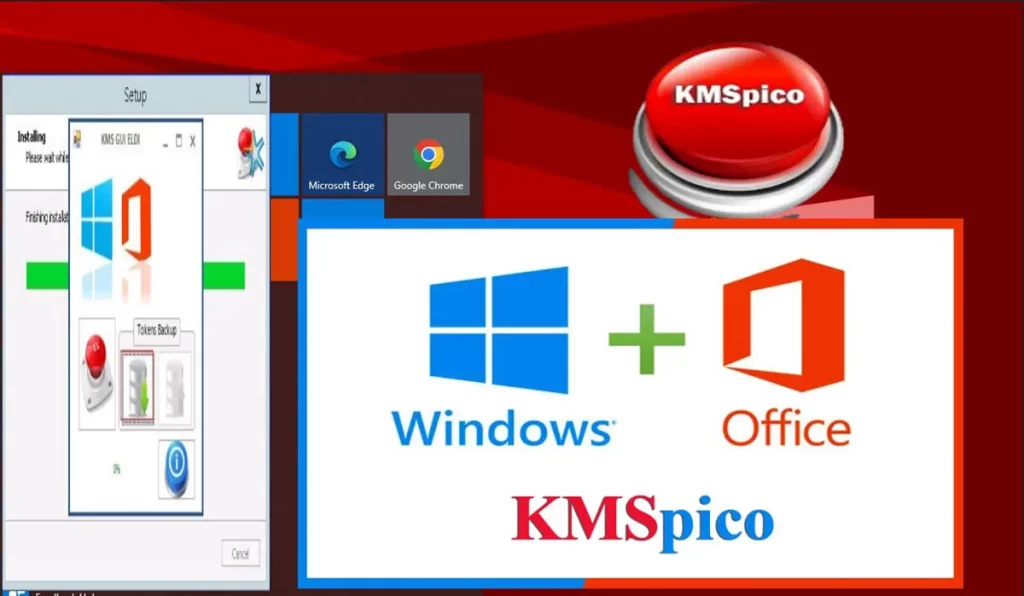
Everything You Need to Know About KMSPico Windows ActivatorEverything You Need to Know About KMSPico Windows Activator

In the modern digital era, having fully activated Windows and Microsoft Office is crucial for both work and personal use. Many users face challenges with license costs or complicated activation procedures that can slow down productivity. This is where kmspico download windows activate comes in, providing a reliable and easy solution for activating Windows and Office without additional expenses. KMSpico has become a popular choice among computer users worldwide because it effectively unlocks all features, allowing seamless access to tools essential for daily tasks. By visiting our website, you can safely download KMSpico and enjoy a fully functional system that enhances your efficiency.

Starting with kmspico download windows activate is simple and straightforward. First, ensure that you are downloading from the official website or a trusted source to avoid potential malware risks. Once on the download page, locate the correct link, usually at the top or bottom of the page. After downloading, you may need to temporarily disable Windows Defender or other antivirus software, as KMSpico requires access to certain system files to complete the activation process. By following the installation instructions, including running the file as an administrator and restarting your computer, you can activate Windows and Office quickly and safely. This process ensures you can start using your software immediately without any limitations.

KMSpico is compatible with multiple Windows versions, including Windows 7, 8, 10, and the latest Windows 11. For Windows 11, KMSpico 11.2.1 is recommended, specifically designed to work with the latest security updates. Installing this version is easy: download the software, run it as an administrator, follow the prompts, and restart your system. Once the reboot is complete, your Windows and Office programs are fully activated, giving you access to all premium features. The development team regularly updates KMSpico to maintain compatibility with new Windows updates, ensuring a long-term solution for activation needs.

Safety is an important factor when using kmspico download windows activate. Always download the software from trusted sources, and temporarily disable antivirus programs during installation only. After activation, these security measures can be re-enabled. Additionally, it is essential to download the version compatible with your Windows operating system, as using an incorrect version may prevent successful activation. Avoid running KMSpico unnecessarily after the initial activation to prevent disrupting the software’s functionality. By following these safety tips, users can enjoy a fully activated Windows system without compromising their computer’s security.

The convenience of kmspico download windows activate makes it highly appealing. Unlike other activation methods that require complex license keys or commands, KMSpico simplifies the process into a few easy steps. The software is lightweight, does not affect system performance, and can be removed after activation while retaining the activated status. This ease of use is particularly useful for students, professionals, and casual users who want an efficient way to activate their Windows and Office software without technical difficulties. By choosing KMSpico, users can enjoy immediate access to all features and improve overall productivity effortlessly.

In conclusion, kmspico download windows activate is a practical and cost-effective solution for anyone needing fully activated Windows and Microsoft Office. With careful adherence to the installation instructions, users can unlock premium features, improve system performance, and work efficiently without the hassle of expensive licenses. Our website provides a secure and reliable download source for KMSpico, ensuring a smooth and safe activation experience. Take control of your digital environment today and enhance your computing experience by visiting our site to download kmspico download .

Why Direct Shopify Server-Side Tracking Outperforms GTMWhy Direct Shopify Server-Side Tracking Outperforms GTM

Shopify store owners and digital marketers constantly seek accurate data to optimize advertising spend. Server-side tracking without Google Tag Manager (GTM) offers a streamlined, more reliable approach to capturing customer events directly from your Shopify store. This method bypasses the complexities and potential data loss associated with browser-based tagging solutions, delivering cleaner, more actionable insights for campaign optimization.

Understanding the Limitations of GTM for Shopify Tracking

Google Tag Manager has long been a popular tool for managing marketing tags without modifying code. However, when applied to Shopify, GTM introduces several friction points. Shopify’s platform restricts certain JavaScript injections, especially within checkout and thank-you pages, which are critical for purchase event tracking. Browser-based tags are also increasingly blocked by ad blockers and intelligent tracking prevention features in modern browsers like Safari and Firefox. This results in incomplete data, underreported conversions, and skewed attribution models.

From a developer’s perspective, maintaining GTM containers alongside Shopify’s Liquid templates creates a fragile ecosystem. A single misconfigured tag can break the entire data layer, leading to hours of debugging. Server-side tracking eliminates these client-side vulnerabilities by sending data directly from Shopify’s server to your analytics or advertising endpoints.

The Core Benefits of Going Server-Side Without GTM

Implementing server-side tracking directly on Shopify offers three primary advantages: data accuracy, speed, and control. When events are sent server-to-server, they bypass browser restrictions entirely. This means every purchase, add-to-cart, or product view is captured regardless of the user’s browser settings. Additionally, server-side events are typically processed faster because they avoid client-side rendering delays.

Control is another significant benefit. You determine exactly which events to send, how to format the data, and where to route it. This is particularly valuable for compliance with privacy regulations like GDPR and CCPA, as you can manage consent signals at the server level rather than relying on client-side cookie consent banners.

How Server-Side Tracking Works on Shopify

The technical implementation involves using Shopify’s webhook or API capabilities to send event data directly to your chosen destination. Shopify provides robust webhook notifications for key events such as orders created, carts updated, and customer data changes. Alternatively, you can use the Shopify GraphQL Admin API or Storefront API to push custom events.

A typical setup involves a middleware server—often built with Node.js, Python, or a cloud function—that receives Shopify webhooks, processes the data, and forwards it to platforms like Google Analytics 4, Meta Conversions API, or TikTok Events API. This middleware acts as the bridge between Shopify and your marketing tools, handling data transformation and retry logic to ensure no event is lost.

Configuring Shopify Webhooks for Server-Side Events

To begin, navigate to your Shopify admin panel and access the Notifications settings. Here, you can create webhooks for specific events. For purchase tracking, the orders/create webhook is essential. Each webhook sends a JSON payload containing order details, including line items, customer information, and total price. You then configure your middleware server to receive these payloads at a dedicated endpoint.

The middleware must parse the incoming data, map it to your advertising platform’s required format, and send it via their server-side API. This process requires careful attention to field mapping—for example, ensuring that your Shopify product IDs match your product catalog in Facebook or Google. Many marketers find that a dedicated server-side tracking solution simplifies this mapping process. For instance, experts note that using a specialized platform for shopify server-side tracking without gtm reduces implementation time and minimizes data discrepancies.

Comparing Direct Server-Side vs. GTM Server-Side Container

Google Tag Manager does offer a server-side container option, but it adds unnecessary complexity for Shopify stores. A GTM server-side container still requires a client-side GTM container to trigger the server-side tag, which reintroduces some of the browser dependency issues. Direct server-side tracking eliminates this two-layer architecture, resulting in faster event delivery and simpler maintenance.

Furthermore, GTM server-side containers incur additional costs for hosting on Google Cloud Platform. For small to medium Shopify stores, this expense is often unjustified. Direct integration via webhooks or custom middleware is both more cost-effective and easier to audit.

Privacy Compliance and Data Governance

Server-side tracking inherently improves privacy compliance because you control exactly what data leaves your Shopify store. You can implement consent management at the server level, ensuring that events are only sent for users who have provided explicit permission. This is especially important for European markets where GDPR enforcement is strict.

Another advantage is the ability to hash or anonymize personally identifiable information (PII) before sending it to advertising platforms. Server-side code can strip email addresses, phone numbers, and IP addresses, replacing them with hashed identifiers. This reduces your exposure to data breaches while still allowing for effective conversion attribution and audience building.

Performance Implications for Your Shopify Store

One often overlooked benefit is page load performance. GTM tags, even when loaded asynchronously, consume browser resources and can delay page rendering. By moving tracking to the server side, you remove this overhead entirely. Your Shopify store loads faster, which directly impacts user experience and conversion rates. Google has confirmed that page speed is a ranking factor, so faster stores also benefit from improved SEO performance.

Server-side tracking also reduces the likelihood of tag firing errors. Client-side tags can fail due to network latency, script conflicts, or users leaving the page before the tag fires. Server-side events are queued and retried automatically, ensuring near 100% delivery success.

Choosing the Right Implementation Approach

You have several options for implementing server-side tracking on Shopify without GTM. The simplest approach is to use a dedicated Shopify app that handles server-side event forwarding. These apps provide pre-built integrations with major advertising platforms and manage the middleware infrastructure for you. They typically offer drag-and-drop interfaces for mapping events and setting up custom parameters.

For more technical teams, building a custom middleware solution provides maximum flexibility. This approach requires proficiency in API development and server management but allows for complete customization of data transformation and routing logic. You can integrate with multiple platforms simultaneously, send custom events beyond standard webhooks, and implement sophisticated deduplication logic.

Future-Proofing Your Tracking Infrastructure

As browsers continue to phase out third-party cookies and implement stricter privacy measures, server-side tracking will become the standard for ecommerce analytics. Investing in this infrastructure now positions your Shopify store for long-term data reliability. Server-side tracking also integrates seamlessly with emerging technologies like customer data platforms (CDPs) and data warehouses, enabling advanced analytics and machine learning models.

The shift away from client-side tagging is inevitable. Major platforms like Meta, Google, and TikTok already recommend server-side integration for their conversion APIs. By adopting server-side tracking without GTM, you align with industry best practices and avoid the constant maintenance overhead of client-side tag management.

Final Thoughts on Data-Driven Growth

Accurate conversion data is the foundation of profitable advertising campaigns. Shopify store owners who implement server-side tracking without GTM gain a competitive advantage through more reliable attribution, faster page loads, and simplified compliance. While the initial setup requires some technical effort, the long-term benefits in data quality and operational efficiency are substantial. Whether you choose a dedicated app or a custom solution, moving your tracking to the server side is an investment that pays dividends in smarter marketing decisions and improved ROI.

The Ultimate Steer To Camera Accessories: From Tripods To Lens FiltersThe Ultimate Steer To Camera Accessories: From Tripods To Lens Filters

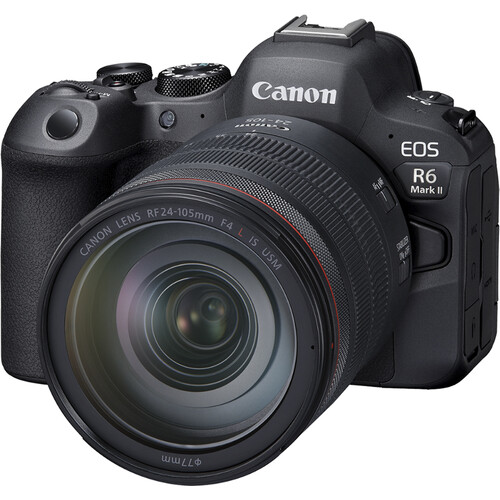
Whether you’re a veteran photographer or just start out, the right television camera accessories can bring up your picture taking Cheap camera gear Kenya see and help you accomplish surprising shots. While a good television camera is necessity, accessories such as tripods, lens filters, bags, and more can play a significant role in refining your creative process. In this steer, we’ll walk you through the must-have television camera accessories, including their functions, benefits, and tips on choosing the best ones for your needs.

1. Tripods: Stability and Precision

One of the most essential camera accessories for both unpaid and professional person photographers is the tripod. A tripod provides stableness and ensures acutely, blur-free images, especially in low-light situations or when using slow shutter speeds. Whether you re capturing landscapes, long-exposure shots, or self-portraits, a tripod is obligatory.

Key Considerations:

  • Material: Tripods come in Al, carbon fibre, and pliant. Carbon fiber is jackanapes and serviceable, making it nonesuch for exterior shoots, while aluminum is more low-priced but somewhat heavier.

  • Weight Capacity: Make sure the tripod can support the angle of your camera and lens.

  • Height: Look for tripods that broaden to your eye dismantle, so you don t have to bend over perpetually. Also, check how wad it is for portability.

  • Head Type: The two most green types are ball heads and pan-tilt heads. Ball heads are more whippy and easier to correct, while pan-tilt heads allow for more on the button social movement.

2. Lens Filters: Enhancing Image Quality

Lens filters are requirement for controlling the get off and enhancing the quality of your photos. They are sessile to the front of your tv camera lens and can qualify the come of get off entering the camera, tighten glower, or add special effects. Here are a few types of lens filters:

Types of Lens Filters:

  • UV Filters: UV filters help to block UV get off, preventing a chromatic cast and reduction haze in exterior picture taking. While digital sensors are in the main not artificial by UV get down, many photographers use UV filters to protect their lenses.

  • Polarizing Filters: A polarizer is of import for reducing reflections and glare from irrigate or glass over. It also enhances colors, making skies appear bluer and leaf more spirited.

  • ND(Neutral Density) Filters: ND filters reduce the add up of dismount entering the tv camera lens, allowing for yearner exposure multiplication in bright conditions. This is perfect for creating glossy-smooth waterfalls or achieving gesture blur personal effects in daylight.

  • Graduated ND Filters: These filters are darker at the top and bit by bit get light toward the bottom. They are especially useful for shot landscapes, portion to balance the exposure between a bright sky and a darker spotlight.

Why You Need Them:

Lens filters help you control unhorse, reduce undesirable reflections, and accomplish more impressive effects. A tone polarizing or ND trickle can raise your picture taking without the need for post-processing.

3. Camera Bags: Protecting Your Gear

A hard-line and utility camera bag is requisite for any photographer who needs to carry their equipment safely and efficiently. Camera bags come in a variety of styles, from backpacks to catapult bags and messenger bags. Each plan has its pros and cons depending on your style of shot.

Types of Camera Bags:

  • Backpacks: These volunteer ample quad for all your gear, including cameras, lenses, tripods, and other accessories. They are comfortable for long treks or outside shoots and often admit extra compartments for subjective items.

  • Messenger Bags: Messenger bags are more wad and modernistic, offer easy access to your gear. They are outstanding for urban photographers who need to move quickly between locations.

  • Sling Bags: Sling bags offer the of a quick-access shoulder joint bag while still providing enough space for basic television camera gear. They are hone for street photography or casual shooting.

Features to Look For:

  • Padded Dividers: Look for bags with customizable cushiony dividers to organize your gear and protect it from scratches and bear on.

  • Weather Protection: Many bags come with water-resistant materials or rain covers, which are necessity for exterior photographers.

  • Comfort: Make sure the bag is comfortable, especially if you’re carrying heavy gear for long periods. Padded straps and breathable material can make a big difference.

4. External Flashes: Controlling Light

Natural get off is often nonsuch for photography, but sometimes it isn t enough especially in low-light environments or when shot portraits. An external flaunt can help illuminate your submit, keep unpleasant shadows, and cater more control over light conditions.

Types of Flashes:

  • Speedlight Flashes: These are pack, outboard flashes that attach to your camera s hot shoe. They offer a wide straddle of world power settings and can be well-adjusted for different shot situations.

  • Studio Strobes: Larger and more right than speedlights, studio strobes are often used for portrayal photography. They require superpowe sources and can ply more nice control over lighting.

Why You Need One:

An external show off can dramatically improve your photos by gift you more verify over your lighting. It can be bounced off walls or ceilings to yield the dismount or used to create spectacular effects with shadows.

5. Memory Cards: Storing Your Shots

It s requirement to have high-quality, high-capacity memory card game when shot, especially for photographers who tear in RAW initialize or buck video recording. A slow or inadequate retentivity card can involve your camera s public presentation and cause interruptions in your workflow.

Types of Memory Cards:

  • SD Cards: These are the most commons type of retentivity card for DSLR and mirrorless cameras. They come in various hurry classes(Class 10, UHS-I, UHS-II) that indicate their read write travel rapidly.

  • CFast and XQD Cards: These are faster retentiveness card game studied for professional person video and high-resolution photography, offer quicker read and spell speeds than SD cards.

  • microSD Cards: While mainly used in smartphones, some cameras can also use microSD card game with an adapter.

What to Look For:

  • Capacity: Choose a card with enough store for your needs. High-definition video recording and large photo files(like RAW images) require higher storehouse capacities.

  • Speed: Faster spell speeds are crucial for shooting bursts of images or 4K video recording without interruptions.

6. Cleaning Kits: Keeping Your Gear in Top Shape

Your tv camera and lenses are investments that need specific care. A cleaning kit is essential for retention your free from dust, dirt, and smudges.

Basic Cleaning Kit:

  • Lens Cleaning Solution: Specially formulated for television camera lenses, it helps transfer smudges and fingerprints without destructive the lens coating.

  • Microfiber Cloth: Perfect for wiping down lenses and screens without going away scratches.

  • Air Blower: To remove dust from the camera body, lens, and sensors.

  • Lens Brush: For mildly brushing away dirt and junk from your lens or camera sensing element.

Types of Lens Filters:

0

Regular cleanup ensures your gear girdle in top working condition, helping to avoid issues like poor project tone caused by begrime lenses or sensors.

Types of Lens Filters:

1

Camera accessories are not just elective extras they can enhance your originative potency and help you take your picture taking to the next level. From tripods that stabilize your shots to filters that control get off and create artistic effects, each supplement plays a unusual role in improving your work. When selecting accessories, consider your shot style, the type of picture taking you enjoy, and the environments in which you work. Whether you’re an outside partizan, a portrayal lensman, or a videographer, there’s a set of tools that can help you achieve the best possible results.

A Complete Tutorial for kmspico download windows activateA Complete Tutorial for kmspico download windows activate

In today’s fast-paced digital world, having fully activated software is no longer a luxury—it’s a necessity. Many users experience limited functionality on Windows or Microsoft Office when they are not activated, restricting access to essential updates, features, and security patches. This is where kmspico download windows activate comes in. KMSpico is a reliable activation tool designed to enable full access to Windows and Office without paying for expensive licenses. By visiting our website, customers can safely obtain the official KMSpico software along with detailed instructions for a seamless activation experience. Our platform ensures that users of all experience levels can take advantage of this powerful tool with confidence.

Downloading kmspico download windows activate from our website is simple and secure. Users start by visiting our platform to access the official KMSpico version compatible with their system. This ensures that the software is free from viruses or unwanted add-ons. During installation, it is recommended to temporarily disable antivirus programs or Windows Defender, as these may interfere with the activation process. By following our step-by-step guide, users can install the software, run it as an administrator, and restart their computer to complete the activation. Within minutes, their Windows or Office software will be fully functional, unlocking premium features without unnecessary delays or complications.

One of the key advantages of using kmspico download windows activate is its broad compatibility across multiple Windows and Office versions. Windows 7, 8, and 10 users can use KMSpico 10.2.0, while Windows 11 users can rely on KMSpico 11.2.1, which is specially updated for the latest security patches and system requirements. Our website provides clear instructions for each version, helping users avoid mistakes that could result in failed activation. This compatibility makes KMSpico an ideal solution for home users, students, professionals, and businesses that want to ensure their software operates at full capacity without unnecessary investment.

Security is a top priority when using kmspico download windows activate. By downloading from our official website, users significantly reduce the risk of viruses and malware. Our guide emphasizes temporarily pausing antivirus software during installation and provides tips for safe usage. Once activation is complete, antivirus programs can be re-enabled without affecting the software. By taking these precautions, users can enjoy all the features of fully activated Windows and Office safely and efficiently, ensuring their systems remain secure while benefiting from premium functionality.

Another major benefit of kms activation is its cost-effectiveness and convenience. Purchasing full licenses for Windows and Office can be expensive, and the process can be time-consuming. KMSpico removes these barriers by providing a fast, free, and user-friendly activation solution. The software is lightweight and easy to use, and users can even remove it after activation while keeping all the benefits intact. This flexibility makes KMSpico perfect for those who need a quick and reliable way to access full software functionality without additional costs or complicated procedures.

In conclusion, kmspico download windows activate is an essential tool for anyone looking to unlock the full potential of their Windows and Office software. Our website offers a secure platform to download the official KMSpico activator, complete with instructions, safety tips, and version-specific guidance. By following our simple guide, users can activate their software quickly, safely, and effectively. Don’t let limitations hold you back—visit our website today to access kmspico download windows activate and experience the power of fully activated Windows and Office on your computer. Unlock productivity, efficiency, and convenience with just a few clicks, and take full control of your digital environment.

Can AI Image Tools Replace Human Artists?Can AI Image Tools Replace Human Artists?

In recent years, ai image tools have revolutionized the world of digital creativity. From producing realistic portraits to generating imaginative landscapes, these tools can create visuals in seconds that once took human artists hours, days, or even months. This raises a crucial question: Can AI image tools truly replace human artists?

The short answer is complicated. While AI can mimic certain aspects of human creativity, it lacks the emotional depth, intention, and personal experience that human artists bring to their work. In this guide, we’ll explore the capabilities of AI image tools, their limitations, ethical implications, and what the future may hold for art in a world increasingly influenced by artificial intelligence.


Understanding AI Image Tools

AI image tools are computer programs powered by machine learning algorithms designed to generate images from text prompts or modify existing images. Popular examples include DALL·E, MidJourney, and Stable Diffusion. These tools analyze massive datasets of existing artworks and photographs to learn patterns, styles, and techniques, which they then use to generate new visuals.

The primary advantage of AI image tools is speed and efficiency. An AI can create a detailed painting, photorealistic image, or digital illustration in minutes—a task that might take a human artist days. AI can also assist artists in brainstorming ideas or creating rough drafts, offering a starting point that humans can refine.

However, understanding AI image tools requires knowing how they work. Most tools rely on neural networks trained on millions of images. They “learn” patterns, styles, and associations in data but do not understand art as humans do. For example, AI can replicate Van Gogh’s brush strokes or generate a landscape in the style of anime, but it does not experience inspiration, emotion, or intent behind the image.


The Capabilities of AI Image Tools

AI image tools have several strengths that make them appealing to both professional and amateur creators.

Speed and Productivity

One of the most significant advantages of AI is its speed. Tasks that would normally take hours or days, such as sketching, coloring, or rendering, can be completed in minutes. This allows creators to explore multiple ideas quickly and choose the best one without investing excessive time.

Variety and Creativity

AI image tools can generate an almost limitless variety of images. By changing prompts, styles, or parameters, users can produce countless variations of the same concept. This is particularly useful for brainstorming, concept art, or marketing campaigns where multiple visual options are required.

Accessibility

AI makes artistic creation more accessible. Individuals without formal training in drawing, painting, or design can produce high-quality visuals. This democratization of art opens creative opportunities to people who may not have pursued art professionally.

Learning and Skill Enhancement

AI can also serve as a learning tool. Artists can use AI-generated images to study composition, color schemes, and styles. By analyzing AI creations, aspiring artists can gain insights into techniques they may not have explored otherwise.


The Limitations of AI Image Tools

Despite their impressive capabilities, AI image tools have clear limitations.

Lack of Emotional Depth

Human art often carries emotion, narrative, and context. AI cannot experience feelings or personal memories, meaning its creations may lack the depth and resonance of human-made art. A painting generated by AI might be visually stunning but may fail to evoke the same emotional response as a work created by an artist expressing personal experiences.

Dependence on Data

AI image tools rely heavily on existing data. They can only generate what they have learned from previous works. This raises concerns about originality. Many AI-generated images are derivative, meaning they often mimic or remix existing artworks instead of creating something entirely new.

Ethical and Copyright Issues

AI image tools often use datasets containing copyrighted works without explicit permission from original artists. This has sparked debates about intellectual property rights and the ethics of using AI-generated art in commercial contexts. For human artists, this creates challenges in protecting their creative work.

Lack of Intent and Purpose

Art is not just about producing an image; it is about conveying a message or story. AI cannot set intentions or purposefully communicate ideas. While it can simulate styles or trends, it cannot make deliberate artistic choices based on cultural, social, or personal contexts.


Comparing AI and Human Artists

When considering whether AI image tools can replace human artists, it is essential to compare the strengths and weaknesses of both.

Feature AI Image Tools Human Artists
Speed Very fast Slower
Creativity Can generate variations based on prompts Original and intentional creativity
Emotional Depth Minimal High
Technical Skill Learned from data Developed through practice
Ethical Responsibility Limited High

AI excels in speed, replication, and accessibility but falls short in emotional depth, intentionality, and ethical considerations. Human artists bring context, personal experiences, and cultural awareness to their work, which AI cannot replicate.


Real-World Applications of AI Image Tools

AI image tools are already transforming several industries.

Advertising and Marketing

Brands use AI-generated images to quickly produce promotional content, social media visuals, and campaign ideas. AI helps save time and costs while providing a wide range of creative options.

Entertainment and Gaming

In gaming and film, AI assists in creating concept art, character designs, and environments. While AI can generate initial concepts, human artists refine and adapt them to ensure coherence with storytelling and visual direction.

Education and Research

AI can be used as an educational tool to teach art techniques, analyze historical art, or explore creative possibilities. Students can experiment with AI-generated visuals to learn composition, color theory, and artistic styles.

Personalized Content

AI image tools enable individuals to create personalized gifts, illustrations, or digital art without formal training. This increases engagement in digital spaces and allows for unique customization.


Can AI Image Tools Replace Human Artists?

The answer depends on what we define as “replacement.”

In Commercial or Functional Art

In contexts where speed and efficiency matter more than emotional depth, AI can partially replace human artists. For example, generating stock images, concept sketches, or marketing visuals can be efficiently handled by AI image tools.

In Creative and Emotional Art

When it comes to fine art, storytelling, and works that rely on human experience and emotion, AI cannot replace human artists. Art is often valued not just for its aesthetics but for its context, message, and connection with audiences. AI may assist or inspire, but it cannot replicate human consciousness or lived experience.

Collaboration Rather than Replacement

The most realistic scenario is collaboration. Human artists and AI image tools working together can produce innovative and high-quality art. Artists can use AI for brainstorming, rough drafts, or stylistic experimentation, then apply their skills and creativity to finalize the work.


Ethical Considerations

As AI image tools become more advanced, several ethical questions emerge:

  • Copyright and Ownership: Who owns AI-generated art? Can AI “steal” the style of living artists without consent?

  • Job Displacement: Will AI replace entry-level artists or designers in commercial industries?

  • Authenticity: How do audiences value AI-generated art compared to human-created art?

  • Bias in AI: AI reflects biases in its training data, which can lead to stereotypes or cultural misrepresentation.

These considerations suggest that while AI image tools are powerful, they must be used responsibly and ethically. Human oversight is essential to ensure fair use, originality, and respect for creative communities.


The Future of Art with AI

Looking forward, AI will not replace human artists but will continue to reshape the creative landscape.

Augmented Creativity

AI can act as an extension of human creativity. Artists can experiment with new styles, generate variations, and push boundaries that might have been impossible before.

Democratization of Art

AI lowers barriers to entry, allowing more people to create and engage with art. This democratization may lead to a surge in new creative talent and innovative art forms.

Evolving Definitions of Art

As AI becomes more integrated into art, society may need to redefine what counts as “authentic” art. The collaboration between humans and machines could lead to entirely new genres and creative expressions.


Conclusion

AI image tools are remarkable innovations that transform how we create and experience art. They offer speed, accessibility, and endless possibilities for experimentation. However, they cannot replace human artists in the truest sense. Human art is deeply tied to emotion, context, and intention—qualities that AI cannot replicate.

The future of art is not a competition between AI and humans but a collaboration. Artists who embrace AI can enhance their creativity, explore new horizons, and produce work that neither human nor AI could achieve alone. Ultimately, AI image tools are powerful allies, but the heart of art will always remain human.

AI image tools can help us imagine, prototype, and innovate, but the stories, emotions, and human experiences behind art cannot be automated. As technology advances, the best outcomes will come from combining the efficiency of AI with the irreplaceable creativity of the human mind.