
Micro Motors in Medical Devices: Precision and Power at a Small ScaleMicro Motors in Medical Devices: Precision and Power at a Small Scale
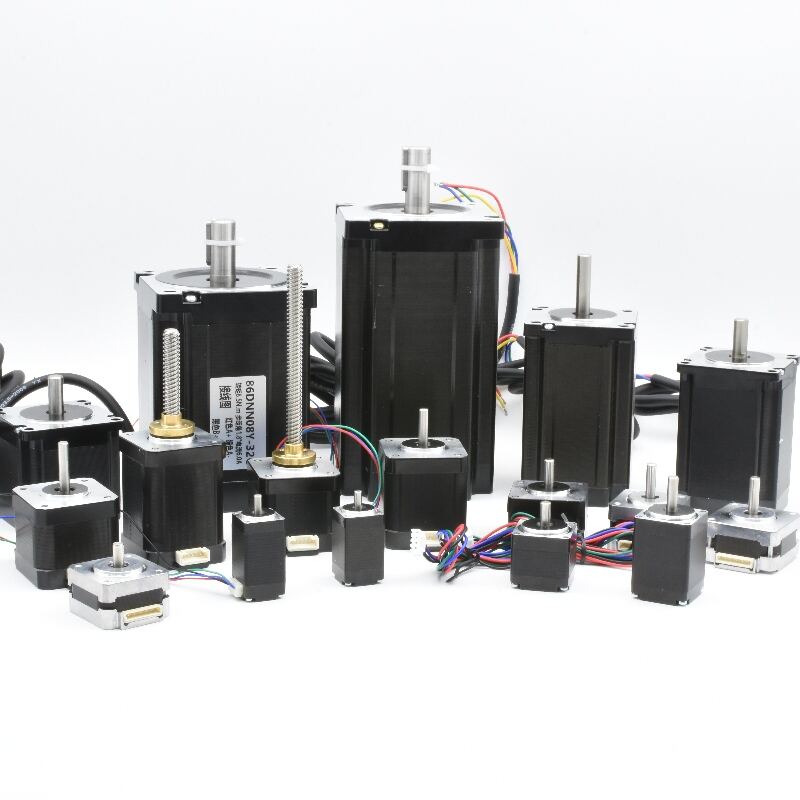
In the rapidly advancing world of medical technology, micro motors are playing an increasingly critical role in driving innovation. These miniature yet powerful components offer a combination of precision and power that is essential for modern medical devices. From minimally invasive surgeries to diagnostic tools, micro motors are helping to revolutionize healthcare by enhancing the performance and capabilities of medical instruments. Their small size allows for greater control, accuracy, and efficiency in various applications, making them an indispensable part of the medical field.
1. Precision in Surgical Instruments
One of the primary advantages of micro motors in medical devices is their ability to provide precise movements in small, delicate operations. In minimally invasive surgeries, where instruments are inserted through tiny incisions, precision is paramount. Micro motors are used to drive tools such as surgical drills, cutters, and robots, enabling surgeons to perform complex procedures with greater accuracy and less trauma to surrounding tissues. For instance, in robotic surgery systems like the da Vinci Surgical System, micro motors control the fine movements of surgical instruments, allowing surgeons to operate with enhanced dexterity and vision.
DC Motor also play a role in orthopedics, where they are used in powered surgical tools to help with bone cutting or joint replacements. Their ability to deliver controlled, consistent power is crucial in ensuring that procedures are carried out safely and efficiently.
2. Miniaturization and Enhanced Mobility
The compact size of micro motors allows for the miniaturization of medical devices, which can significantly improve their usability. Devices such as hearing aids, portable infusion pumps, and endoscopes rely on the tiny yet powerful motors to operate efficiently while being small enough to be worn or carried comfortably by patients. The portability of these devices enables improved patient mobility and comfort, enhancing their overall quality of life.
In the case of endoscopes, micro motors are used to drive the mechanical systems that allow for bending and movement of the camera or surgical tools inside the body. This enables physicians to visualize and access areas that would otherwise be difficult to reach, improving the accuracy of diagnoses and treatment.
3. Power Efficiency
Despite their small size, micro motors are known for their impressive power-to-size ratio, which is essential in medical applications that demand both efficiency and long-lasting performance. Many medical devices, such as pacemakers and insulin pumps, rely on these motors to function continuously over extended periods. Micro motors are designed to be energy-efficient, consuming minimal power while still providing the necessary output to keep devices running smoothly.
For instance, in pacemakers, micro motors are crucial for driving the components that regulate heart rhythms. Their small size allows them to be integrated into the device without adding significant weight, ensuring comfort for the patient. Similarly, insulin pumps benefit from micro motors because they are capable of delivering precise doses of insulin over long periods, without requiring frequent battery changes or recharging.
4. Reliability and Durability
Medical devices must meet stringent reliability and durability standards to ensure patient safety and successful outcomes. Micro motors used in medical devices are engineered to withstand the harsh environments they operate in, from the human body’s fluctuating temperature to the frequent sterilization procedures necessary for surgical instruments. These motors are typically designed with high-quality materials and advanced engineering processes to ensure they remain functional over time without fail.
The durability of micro motors is especially important in implantable devices, where they must function reliably for many years without the possibility of easy replacement. In devices like pacemakers, where failure is not an option, the longevity and dependability of micro motors are critical to maintaining patient health.
5. Future Prospects and Advancements
As technology continues to evolve, the capabilities of micro motors in medical devices are expected to expand further. Researchers are working on developing even more efficient, smaller, and smarter micro motors that can be integrated into a wider range of medical applications. Innovations in materials, such as biocompatible alloys and smart sensors, are likely to enhance the performance and capabilities of these motors, opening up new possibilities for medical treatments.
In addition, the growing trend of personalized medicine and patient-specific treatments could see micro motors play an even larger role in creating customized devices that cater to individual needs, allowing for more targeted and effective interventions.
Conclusion
Micro motors are transforming the landscape of medical devices by providing precision, power, and efficiency on an incredibly small scale. From enabling minimally invasive surgeries to powering implantable devices, these miniature components are crucial for improving patient care and advancing medical technology. As micro motor technology continues to evolve, it promises to bring even more groundbreaking innovations, further enhancing the quality and accessibility of healthcare worldwide.